Best Time to Visit Golden Triangle India (Month-by-Month Weather Guide)
Understanding Weather in Golden Triangle India Before You Travel
For most international travelers planning a Golden Triangle Tour India, weather is one of the most confusing parts of trip planning. Unlike many Western countries where seasons are predictable and mild, North India—including Delhi, Agra, and Jaipur—experiences strong seasonal shifts that can significantly affect your travel experience.
The Golden Triangle region goes through three main weather phases: hot months, cooler months, and rainy months. However, these are not just slight variations—temperatures can go from extremely hot to pleasantly cool within the same year. This is why understanding the exact months and conditions is important before booking your trip.
In cities like Delhi and Agra, temperatures can rise above 40°C (104°F) during hotter months, making outdoor sightseeing uncomfortable, especially when visiting places like the Taj Mahal or walking through Old Delhi markets. On the other hand, during cooler months, temperatures drop to around 8–20°C (46–68°F), which is ideal for exploring.
Jaipur, being slightly drier, follows a similar pattern but often feels less humid compared to Delhi. However, during peak heat periods, it can still feel intense due to direct sun exposure while visiting forts and palaces.
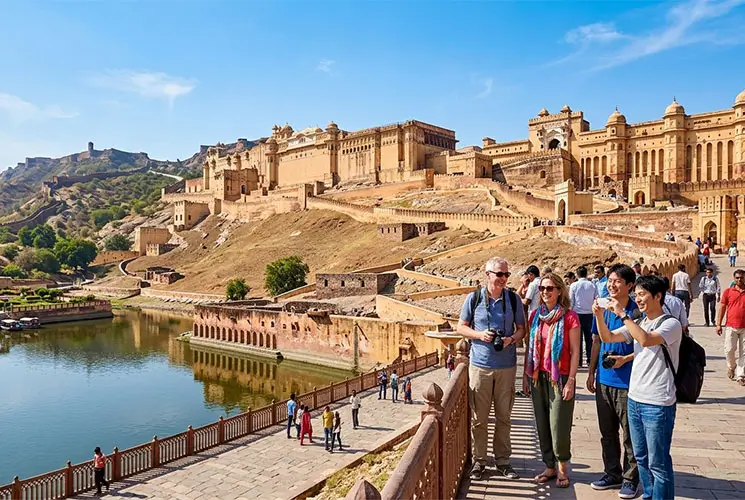
For travelers doing a Golden Triangle itinerary, most sightseeing involves walking, climbing steps (like in Amber Fort), or spending time outdoors. So weather directly affects how enjoyable your experience will be.
Another factor that many first-time visitors don’t realize is how daylight and air quality change across months. Some months have clearer skies, while others may have fog or haze, especially in Delhi and Agra. This can affect visibility at monuments like the Taj Mahal.
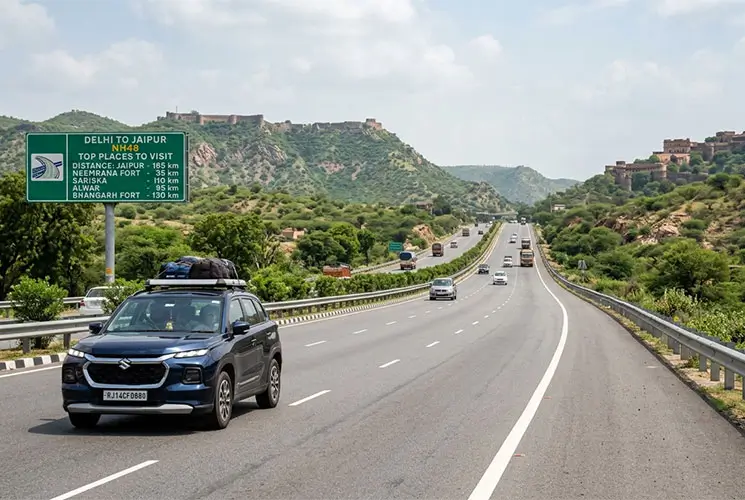
Travel comfort also depends on how you move between cities. Using a private car and driver in India helps significantly because it provides air-conditioned comfort and flexibility, especially in extreme weather.
Understanding month-by-month weather gives you clarity on what to expect, what to pack, and how to plan your itinerary. Instead of guessing “good season or bad season,” you can choose the exact time that matches your comfort level and travel style.
Plan Your Golden Triangle Trip in the Perfect Season
Weather can completely shape your travel experience. Learn the best months for sightseeing, festivals, photography, and comfortable travel.
November to February: The Most Comfortable Months for Travel
The period between November and February is considered the most comfortable time for a Golden Triangle India tour, especially for travelers coming from Europe, the USA, or other colder regions.
During these months, temperatures are mild during the day and cooler in the mornings and evenings. Daytime temperatures usually stay between 18°C to 25°C (64°F to 77°F), which is perfect for sightseeing. Early mornings and nights can feel colder, sometimes dropping to around 8°C to 12°C (46°F to 54°F), especially in December and January.
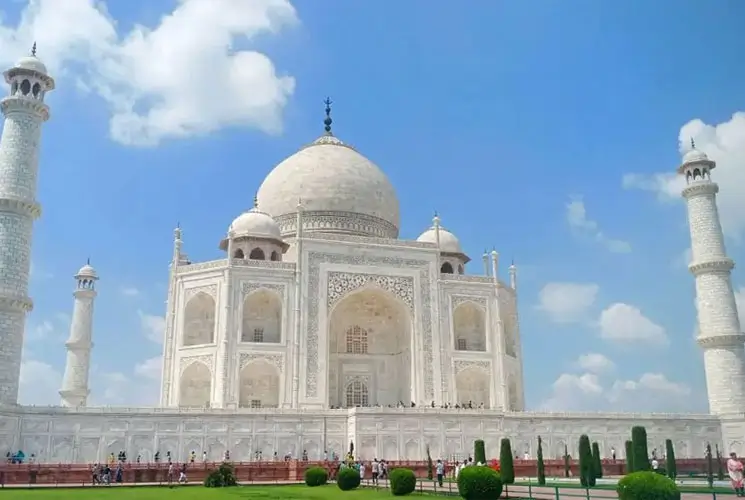
This kind of weather is ideal for exploring all three cities—Delhi, Agra, and Jaipur—without feeling exhausted. Walking through Chandni Chowk in Delhi, visiting the Taj Mahal, or exploring Jaipur’s forts becomes much more enjoyable when the weather is comfortable.
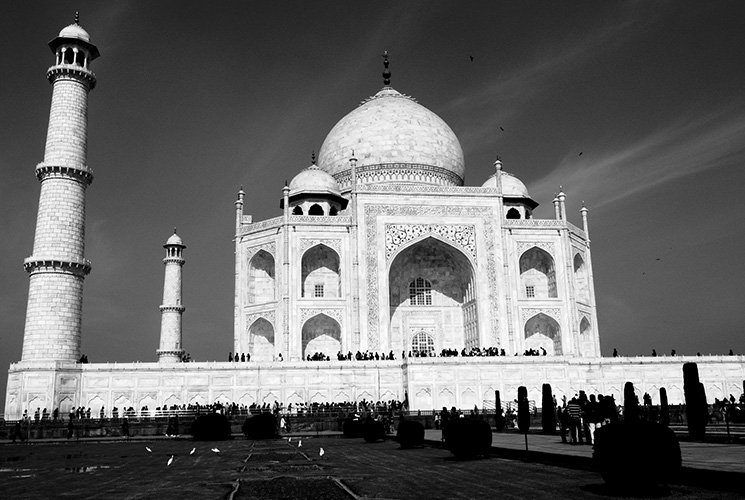
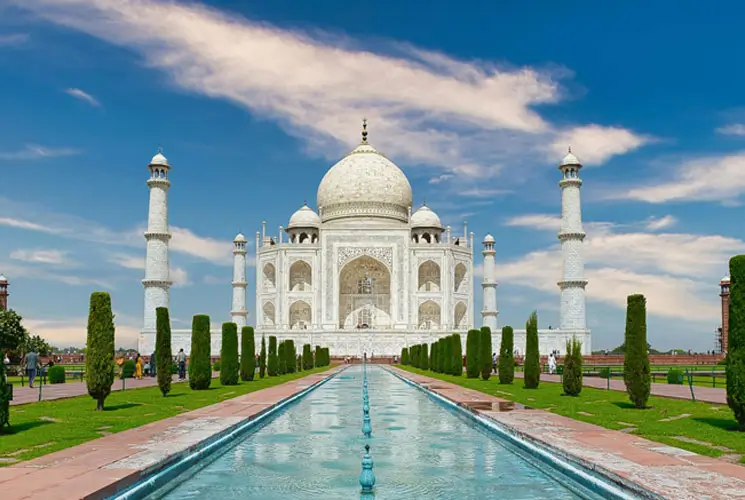
One of the biggest advantages of traveling during these months is the ability to spend longer hours outdoors. You can explore multiple attractions in a day without worrying about heat or fatigue. Sunrise visits to the Taj Mahal are particularly popular because the temperature is cool and the lighting is perfect.
However, there is one important factor to consider—fog. During December and January, especially in Delhi and Agra, early morning fog can affect visibility and sometimes delay flights or road travel. While it doesn’t ruin the trip, it may slightly affect timing.
Another thing to note is that this is the peak travel season. Many international tourists visit during these months, so popular attractions can be crowded. Hotels and tour services may also be priced higher due to demand.
Despite these minor challenges, this period remains the best choice for most travelers. The combination of comfortable weather, clear sightseeing conditions, and overall ease of travel makes it the most recommended time for a Golden Triangle itinerary.
March to June: Hot Months and What Travelers Should Expect
From March onwards, temperatures in the Golden Triangle region start rising steadily. By April, the heat becomes noticeable, and by May and June, it can become quite intense.
During these months, daytime temperatures often range between 30°C to 45°C (86°F to 113°F). This level of heat can be challenging, especially for travelers not used to high temperatures. Walking outdoors during the afternoon becomes uncomfortable, particularly at open monuments like the Taj Mahal or Jaipur forts.
However, not everything about this period is negative. One of the biggest advantages is fewer crowds. Tourist numbers drop significantly, which means shorter lines at major attractions and a quieter overall experience.
Another benefit is better pricing. Hotels, flights, and tours are often more affordable during these months, making it a good option for travelers looking to manage costs.
If you plan a Golden Triangle Tour India during this period, timing becomes very important. Sightseeing should ideally be done early in the morning or later in the evening when temperatures are relatively lower. Midday hours are best used for rest or indoor activities.
Traveling with a private driver in India becomes extremely valuable during this time. Air-conditioned vehicles allow you to move comfortably between destinations, and flexible scheduling helps you avoid peak heat hours.
Staying hydrated, wearing light clothing, and taking breaks are essential for managing the heat. Many experienced travelers still choose this season because of the quieter atmosphere and better deals.
While this period may not offer the most comfortable weather, it can still be a good option for those who plan carefully and prefer less crowded travel.
Experience the Golden Triangle at the Right Time
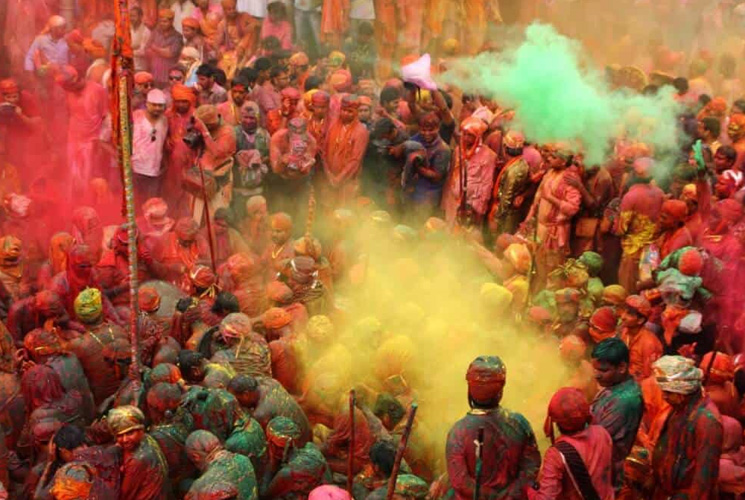
Whether you want cool winter mornings at the Taj Mahal or vibrant festival vibes in Jaipur, discover the season that matches your travel style best.
July to October: Rainy Months and a Different Travel Experience
From July onwards, the Golden Triangle region experiences the monsoon season. This period brings moderate rainfall along with slightly cooler temperatures compared to peak summer.
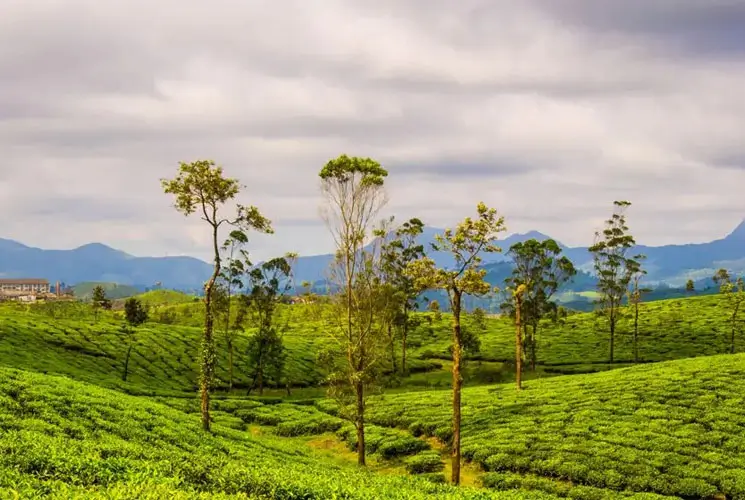
Temperatures during these months usually range between 25°C to 35°C (77°F to 95°F). While it is still warm, the intensity of heat reduces, and the environment feels fresher. The landscape becomes greener, especially around Jaipur and nearby areas.
Rainfall in Delhi, Agra, and Jaipur is not constant throughout the day. It usually comes in short bursts, followed by clear or cloudy skies. This means that sightseeing is still possible, although plans may need slight adjustments.
One of the biggest advantages of this season is fewer tourists. Attractions are less crowded, allowing a more relaxed experience. Hotel prices are also generally lower compared to peak season.
Visiting monuments like the Taj Mahal during light rain or cloudy weather creates a completely different atmosphere. The marble structure appears softer, and the surroundings feel quieter and more peaceful.
However, there are some challenges. Sudden rain can interrupt outdoor plans, and roads may become slightly congested in cities like Delhi. Carrying an umbrella or rain protection becomes necessary.
Using a private car and driver in India during this season helps manage these uncertainties. It allows you to adjust your itinerary based on weather conditions and travel comfortably even during rain.
For travelers who enjoy a quieter, less crowded experience and don’t mind occasional rain, this period offers a unique perspective of the Golden Triangle India tour.